Bad Home Energy Consumption Habits
Leaving the Heating on Low All Day
It feels sensible to keep the heating ticking over, but for most homes with gas boilers, this can increase overall home energy consumption.
Running your heating constantly means your boiler works all day to maintain a temperature. Using timers is usually more efficient. Try setting your heating to come on around 30 minutes before you need it and switch off slightly earlier to make the most of leftover warmth.
Turning your thermostat down by just 1°C can reduce heating bills by around 10%, which for many homes equates to £80–£90 a year.
If you’re asking, "How can you reduce the energy consumption in your home?", heating controls are often the fastest win.
Hand-Washing Dishes to “Save Energy”
It’s a common assumption, but modern dishwashers are surprisingly efficient.
According to the Energy Saving Trust, running a full dishwasher on an eco-setting typically uses less water and energy than washing the same load by hand.
The key is to only run it when it’s full, skip pre-rinsing and use the eco cycle. Small changes, but they reduce unnecessary energy consumption across the year.
Washing Clothing at 40°C
For most everyday laundry, 40°C isn’t necessary.
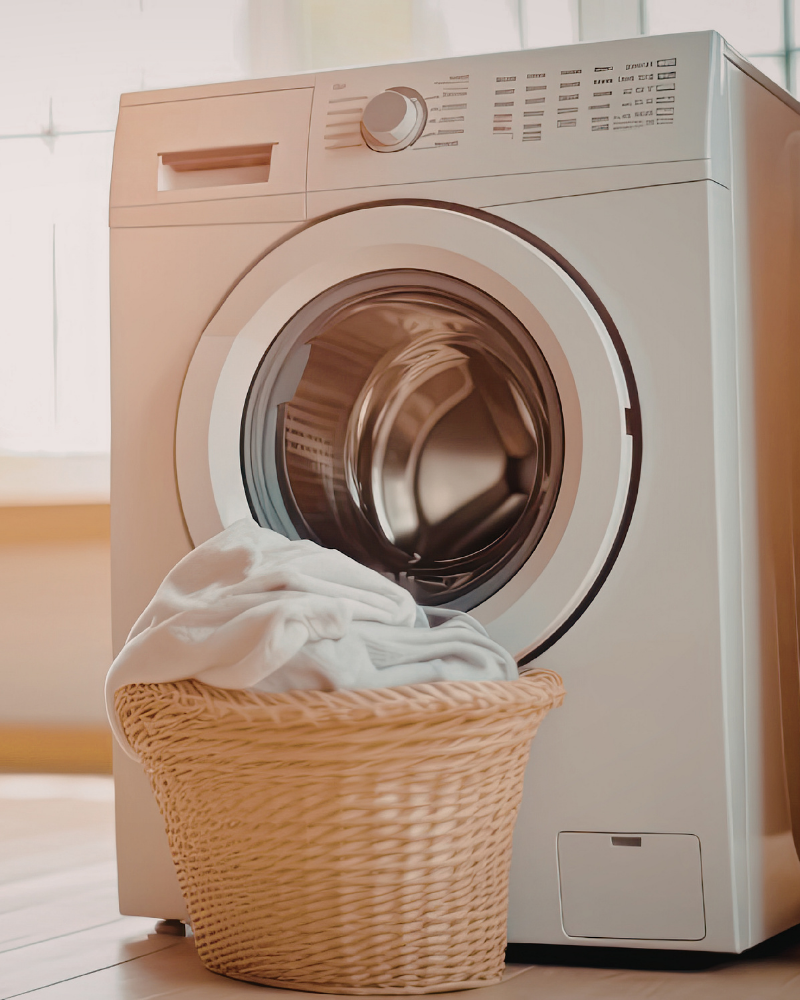
Thanks to modern detergents, washing at 30°C cleans just as effectively for standard loads and uses significantly less electricity. Lower temperature washes are one of the simplest ways to reduce energy consumption at home without sacrificing comfort or hygiene.
Letting “Vampire” Devices Drain Power
Even when you’re not using them, many devices continue to draw electricity.
TVs, game consoles, smart speakers, and chargers left plugged in all contribute to background home energy consumption. Switching off at the wall or using smart plugs helps cut this passive waste.
Your smart meter can often show you just how much power disappears overnight when devices remain on standby.
Your Thermostat is in the Wrong Place
If your thermostat sits near a window, radiator, TV or other heat source, it may get an inaccurate reading.
This causes your heating to switch off too early or work harder than necessary. Ideally, thermostats should be in a neutral location, away from direct heat or draughts.
Small positioning adjustments can meaningfully reduce energy consumption across the heating season.
Tumble Drying by Default
Tumble dryers are among the most energy-intensive household appliances.
Cutting back, even by a few loads a week, reduces electricity usage noticeably over time. Air-drying in a ventilated room or outdoors in warmer months is one of the most effective ways to lower overall home energy consumption.
Not Reviewing Your Domestic Energy Contract
You can adopt every energy-saving habit and still feel that your bills are high. Standing charges vary. Unit rates fluctuate. Many households are still on tariffs that aren’t competitive.
If you’re serious about reducing home energy consumption costs, reviewing your energy tariff is just as important as adjusting daily behaviour.
Take control of Your Home Energy Consumption
Small changes at home can help, but making sure you’re on the right tariff can make an even bigger difference.
At Green Light Consultancy Group, we make it easy to compare energy suppliers and see if a better deal is available for your home. It takes just a few minutes and could help you cut costs without changing how you live. Use our energy comparison tool today and see if you could switch to a better deal.