




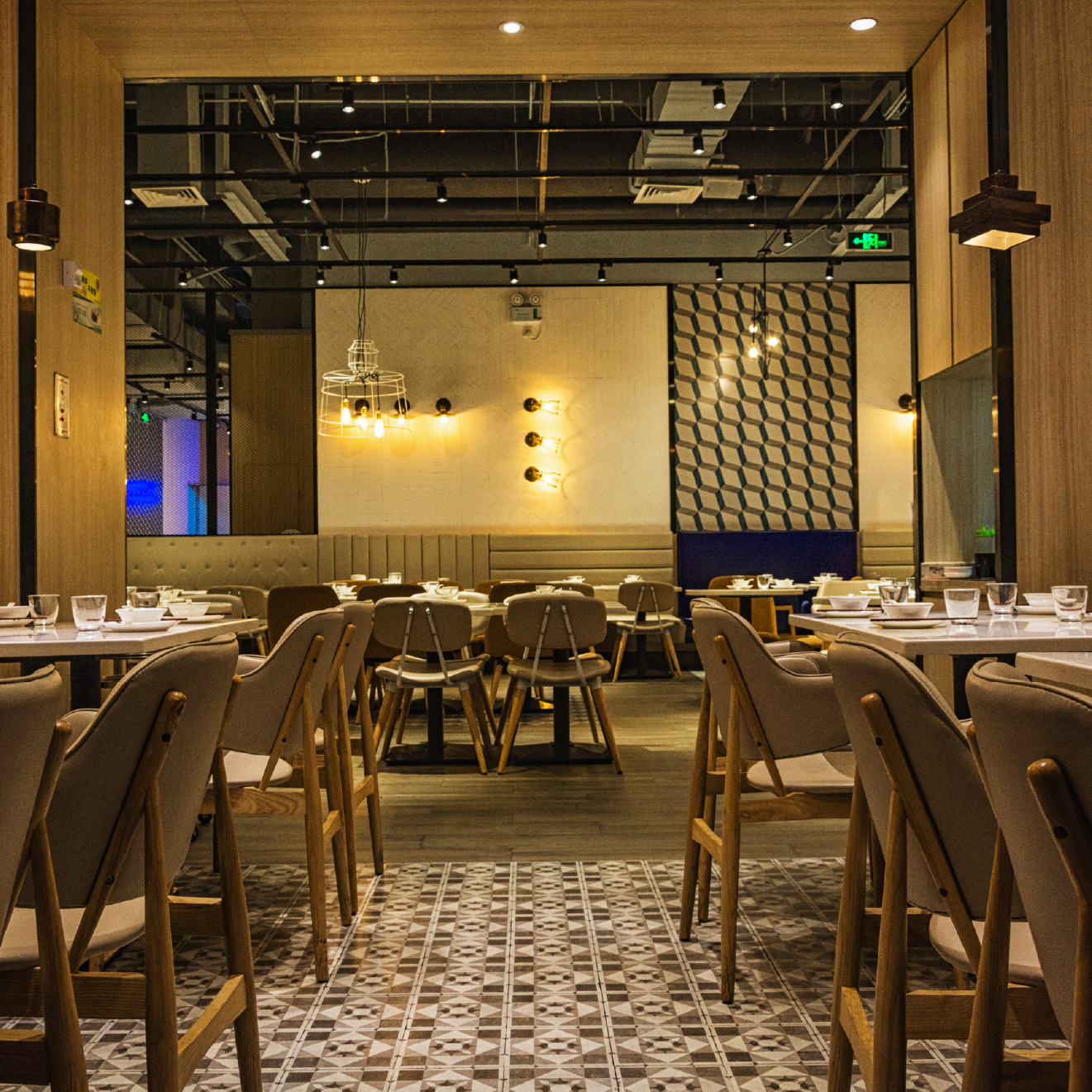
In a restaurant, energy is not a background cost. It’s front and centre. From the first coffee machine of the morning to the last extraction fan shutting down at night, restaurant electricity and restaurant gas are powering every service, every cover and every menu choice.
Whether you’re running a neighbourhood bistro, a high-volume city venue or managing energy across multiple restaurant sites, rising costs are impossible to ignore. Monthly energy cost for a restaurant has climbed sharply in recent years, and many businesses are now paying more simply because their contracts no longer match how their kitchens actually operate.
The challenge is that energy consumption in restaurants looks very different to other sectors. Peak demand, heavy equipment, extended opening hours and refrigeration loads mean that a poor tariff choice can quietly erode margins month after month.
That’s why restaurant energy needs a more considered approach. At Green Light Consultancy Group, we help restaurants of all sizes review electricity and gas usage properly, compare restaurant energy rates with context and switch suppliers at the right time, without disruption to service or staff.

Faster restaurant energy renewals to avoid rollover rates

Clear comparisons of restaurant energy rates across the UK

Independent advice focused on your venue, not supplier targets
We search – You share a few details about your restaurant. We search across a wide panel of suppliers to find restaurant energy options suited to high-load kitchens, extended opening hours and fluctuating demand.
We compare – Unit rates matter, but so do standing charges, contract length and flexibility. We carry out a full comparison of electricity, gas and renewable options so you can see the real cost of each tariff.
You save – Once you’re happy, we manage the switch from start to finish. Your supply stays live, your kitchen keeps running, and your restaurant energy costs come down.


Yes. Renewable energy for small restaurant businesses is widely available and often priced competitively. Many restaurants now choose renewable tariffs to reduce carbon impact without increasing costs.
Rising wholesale prices have significantly increased restaurant energy rates, particularly for venues with high cooking, refrigeration and hot water demand. Many restaurants are now reviewing contracts earlier to avoid sharp increases at renewal and regain control of restaurant energy consumption.
Restaurants can reduce energy bills by switching to a tariff that reflects real usage, avoiding rollover contracts and implementing energy saving for restaurants through smarter kitchen practices and equipment use.
Switching is straightforward when managed correctly. Your electricity and gas supply continues uninterrupted, and once the switch is complete, you move onto a better tariff with no disruption to service.
Energy consumption in restaurants varies by size and service style, but most restaurants use significantly more electricity and gas than other small businesses. Cooking equipment, refrigeration and extraction systems are the main drivers of annual usage and costs.
There’s no single best supplier. The best business energy supplier for restaurants depends on usage patterns, contract flexibility and whether renewable energy is required. Comparing suppliers based on real usage data is the most reliable approach. You can explore our network of providers here.
The monthly energy cost for a restaurant depends on opening hours, kitchen equipment, occupancy and supplier rates. Restaurants with extended service hours and older equipment often see higher bills, making contract reviews especially important.