




Industrial Energy Solutions & Price Comparison for UK Businesses

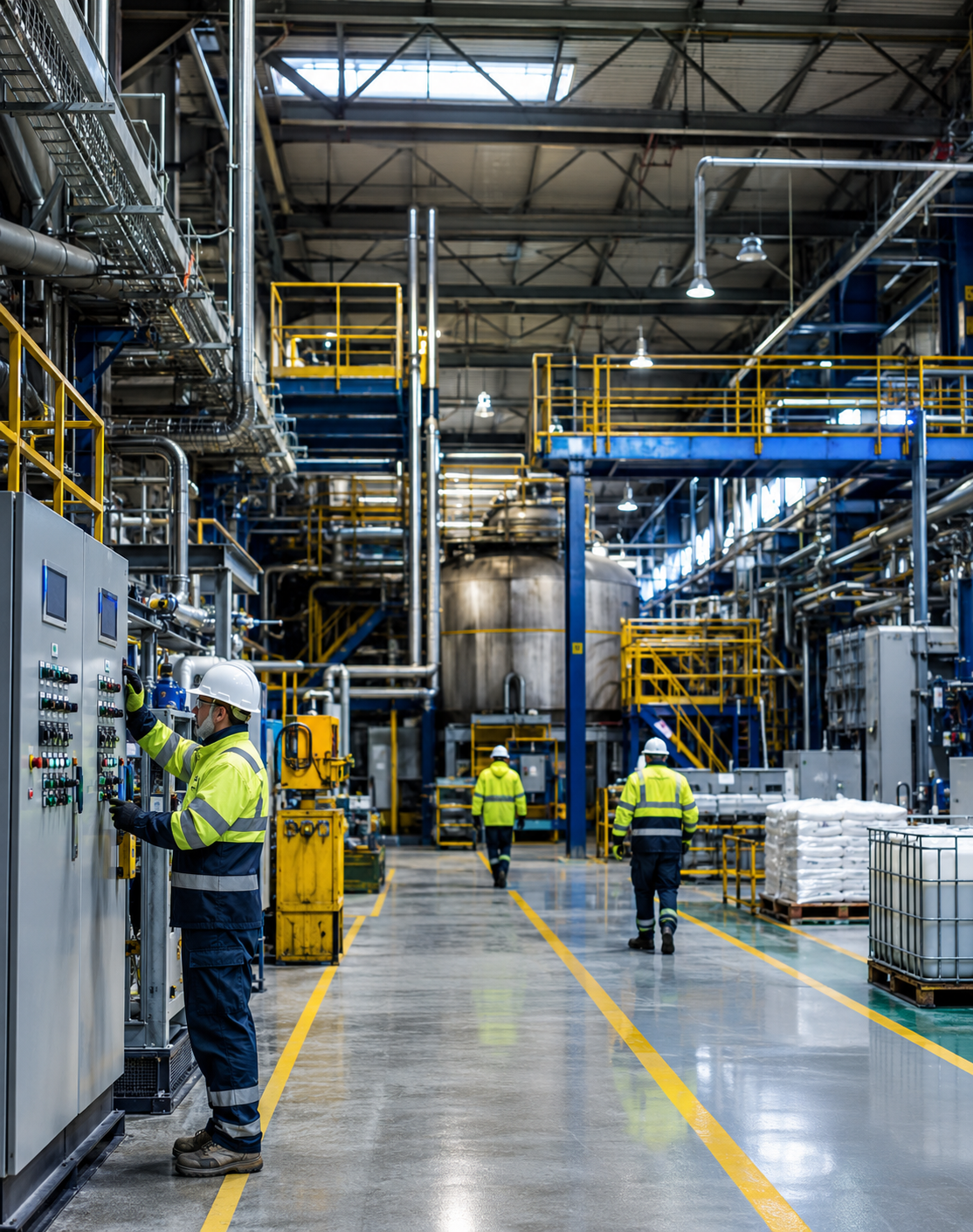
Industrial businesses can have complex electricity and gas requirements, with high consumption, large premises, specialist equipment and extended operating hours all affecting energy costs.
Green Light Consultancy Group compares industrial energy options from trusted UK suppliers. We help businesses review pricing, contract terms and procurement options, making it easier to secure an energy contract suited to their operational requirements.

Get a free quote in 30 seconds

Thank you! Your submission has been received!
Oops! Something went wrong while submitting the form.

What are industrial energy prices in the UK?

There is no single industrial energy rate in the UK. Prices are usually based on the individual requirements and consumption profile of each business.Industrial electricity and gas prices can be influenced by:
  • Annual energy consumption
  • Location and postcode
  • Meter type and capacity
  • Half-hourly consumption data
  • Wholesale energy prices
Businesses with larger energy requirements may also have access to contract structures and pricing that differ from standard small business tariffs.For live industrial energy prices, GLCG can compare suitable options based on your actual business requirements.

How much does industrial energy cost?

The cost of industrial energy varies considerably between businesses.A factory operating machinery throughout the day will have very different requirements from a warehouse, engineering facility or food production business.
For high-consumption organisations, even a small difference in the unit rate can have a noticeable impact on annual expenditure.
However, the lowest advertised unit rate is not always the lowest overall cost. Standing charges, contract length, additional charges and purchasing structure should also be considered.
GLCG compares these factors to help you understand the overall value of the available industrial energy contracts.

What affects industrial energy prices?

Industrial energy prices are influenced by both wholesale market conditions and the individual characteristics of your business.Higher consumption can create different procurement opportunities, but suppliers will also consider when and how your organisation uses energy.Important factors include:
  • Electricity and gas consumption
  • Peak demand
  • Half-hourly meter data
  • Number of business sites
  • Fixed or flexible purchasing
  • Renewable energy requirements
A business energy price comparison for high-consumption industries should therefore look beyond a headline price per kWh.The right comparison considers the expected annual cost and whether the contract is suitable for the way your business actually operates.

Industrial energy contract types explained

Industrial businesses can choose from different energy contract structures based on consumption, budget needs, and exposure to market risk.

Fixed Price: The energy price is fixed for an agreed period, providing budget certainty and protection against wholesale price increases, although businesses may not benefit if prices fall.

Flexible: Larger energy users can buy energy at different times rather than fixing the full requirement at once, giving more purchasing control but greater exposure to market movements.

Pass-Through: These contracts combine fixed and variable costs, with network, regulatory, and other non-commodity charges passed through at the applicable rate.

Renewable Energy: Businesses can choose renewable electricity and greener energy options, subject to supplier availability and their energy requirements.

How to compare industrial energy suppliers

Industrial energy suppliers offer different prices, contracts and terms. GLCG compares options from trusted providers, so your business does not need to contact suppliers individually.We compare electricity and gas unit rates, standing charges, costs, contract lengths, fixed and flexible options, renewable energy and consumption profiles.The best supplier depends on your usage, location, contract needs and objectives.
British Gas Logo
British Gas Lite Logo
E.on Logo
Scottish Power Logo
Total Energies Logo
SSE Logo
EDF Logo
Corona Energy Logo
Smartest Energy Logo
Utilita Logo
Valda Energy logo
YU Energy Logo
SEFE Logo
npower logo
Jellyfish energy logo
British Gas Logo
British Gas Lite Logo
E.on Logo
Scottish Power Logo
Total Energies Logo
SSE Logo
EDF Logo
Corona Energy Logo
Smartest Energy Logo
Utilita Logo
Crown Gas & Power
Valda Energy logo
YU Energy Logo
SEFE Logo
npower logo
Jellyfish energy logo

How to switch industrial energy supplier

Switching industrial energy supplier can be straightforward, even for businesses with complex energy needs. GLCG supports the comparison and switching process from start to finish.
  • We search Provide your latest energy bill or contract details. We use your consumption, supplier, contract dates and site requirements to find suitable options.
  • We compare We compare industrial energy contracts based on pricing, standing charges, terms and business needs, including multi-site requirements where relevant.
  • You save We explain the options clearly so you can choose the right contract. GLCG then supports the contracting and switching process.

Industrial Energy FAQs

What is industrial energy?

Industrial energy refers to the electricity and gas used by factories, manufacturers, warehouses, processing facilities and other industrial businesses.
These organisations often have higher consumption and more complex energy requirements than smaller commercial premises.

What is the difference between business energy and industrial energy?

Business energy covers commercial electricity and gas for organisations of all sizes.
Industrial energy generally refers to larger or high-consumption operations where energy requirements may involve specialist meters, significant annual usage or more complex procurement.

What is industrial energy management?

Industrial energy management involves maintaining greater visibility and control over energy consumption, contracts and procurement.
This can include monitoring contract dates, coordinating multiple sites and planning future purchasing decisions.

Can GLCG compare both industrial electricity and gas?

Yes. GLCG can compare business electricity and gas options for industrial organisations and other high-consumption businesses.
The available contracts will depend on your consumption, location and individual requirements.

Which industries use the most energy?

Manufacturing, engineering, food production, refrigeration, warehousing, logistics and other process intensive industries can have significant electricity or gas requirements.

Ready to compare industrial energy prices?

Get a tailored industrial electricity and gas comparison based on your business's actual consumption and contract requirements.